
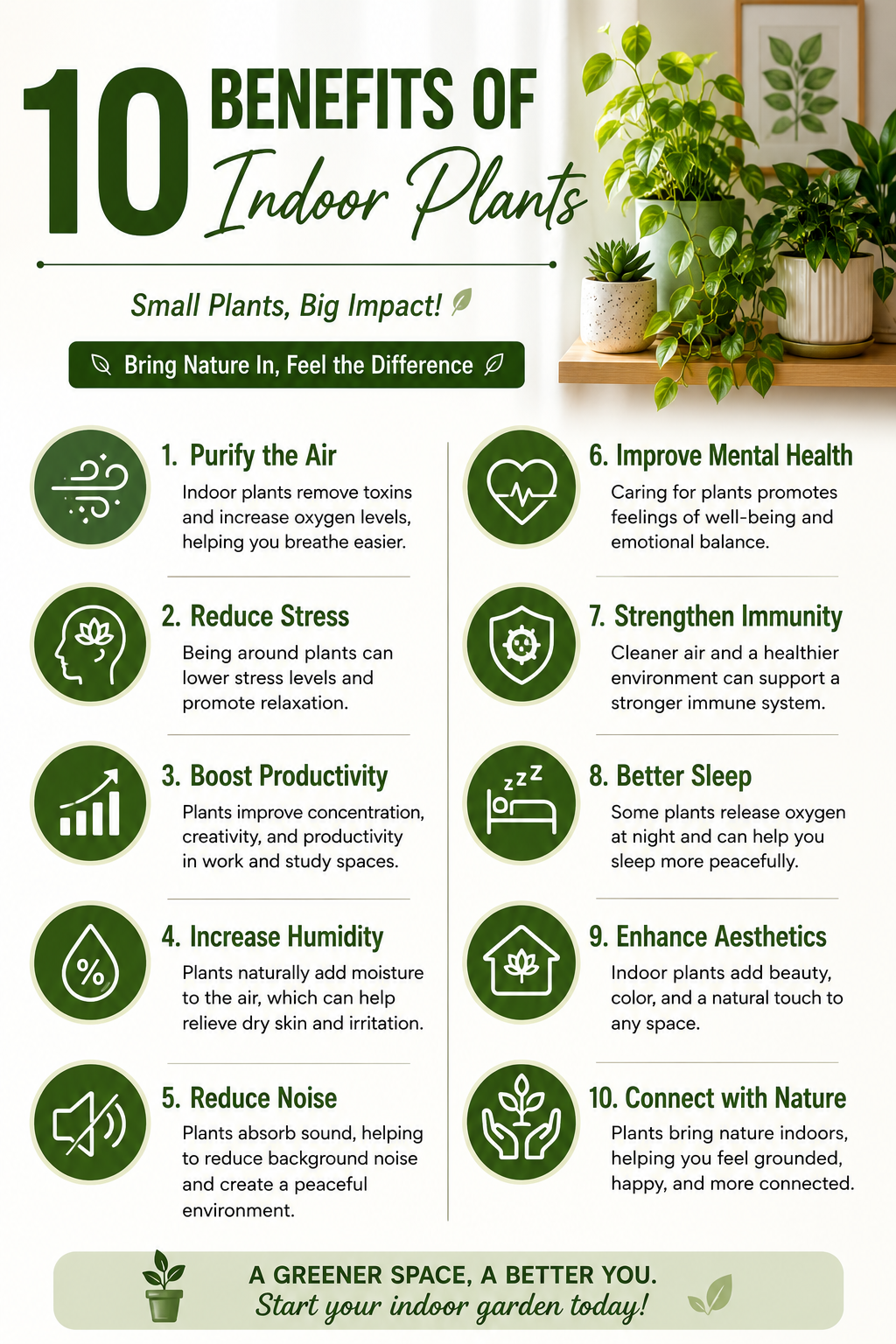
Indoor plants provide numerous benefits, including improved air quality, reduced stress, enhanced productivity, and a boost in mood. They also help in humidifying the air, reducing background noise, increasing focus, and creating a soothing environment.
Furthermore, indoor plants can aid in reducing sickness and fatigue, as well as improving overall wellbeing and mental health. Indoor plants offer a range of advantages that contribute to a healthier and more pleasant indoor environment. From their ability to purify the air and reduce stress to their aesthetic appeal and ability to increase productivity, incorporating indoor plants into your living or workspaces can significantly enhance your overall quality of life.
As we delve deeper into these benefits, you’ll gain a deeper appreciation for the value indoor plants can bring to your everyday life.
Purifying Air Indoors With Plants
Indoor plants not only add aesthetic appeal to your living spaces but also play a vital role in purifying the air, making the environment healthier and more pleasant to live in. The presence of indoor plants can significantly improve air quality by removing harmful toxins and enhancing oxygen levels, creating a healthier indoor environment for you and your family. Let’s delve into the numerous benefits of purifying air indoors with plants.
Removal Of Harmful Toxins
Indoor plants act as natural air purifiers by effectively removing harmful toxins from the air. Through a process called phytoremediation, plants absorb and neutralize toxins such as formaldehyde, benzene, and trichloroethylene, which are commonly found in indoor environments due to modern building materials, furniture, and household products. This natural detoxification process can significantly improve the air quality within your home, reducing the risk of respiratory issues and other health problems.
Enhancing Oxygen Levels
Indoor plants play a crucial role in enhancing indoor oxygen levels by absorbing carbon dioxide and releasing oxygen through photosynthesis. This helps maintain a healthy balance of gases in the air, creating a more refreshing and invigorating indoor environment. With increased oxygen levels, you may experience improved focus, concentration, and overall well-being, making your living spaces more conducive to relaxation and productivity.
Creating A Serene Indoor Environment
Creating a serene indoor environment is essential for maintaining a peaceful and harmonious living space. Indoor plants play a crucial role in achieving this by promoting tranquility and calmness through their natural beauty and beneficial effects. Let’s delve into the positive impact of indoor plants on mental health and their stress-relieving benefits.
Positive Impact On Mental Health
Indoor plants have been shown to have a positive impact on mental health by improving mood and reducing stress. The presence of greenery creates a calming and relaxing atmosphere, which, in turn, can contribute to a sense of well-being. Being surrounded by nature indoors can help in alleviating anxiety and promoting mental clarity.
Stress-relieving Benefits
Introducing indoor plants into your living spaces can bring about significant stress-relieving benefits. Engaging with indoor plants, such as watering and caring for them, can serve as a therapeutic activity, allowing individuals to unwind and decompress. Additionally, the presence of greenery has been found to lower blood pressure and reduce feelings of tension, leading to a more serene and tranquil indoor environment.
“` I hope this helps! Let me know if you need further assistance.
Boosting Work Efficiency With Indoor Plants
Indoor plants are not only visually appealing; they also bring numerous benefits to the work environment. One of the most noteworthy advantages is their ability to boost work efficiency. Studies have shown that incorporating indoor plants in the workplace can have a positive impact on employee productivity and overall well-being. Let’s explore the various ways in which indoor plants can contribute to boosting work efficiency.
Improved Focus And Concentration
Indoor plants play a crucial role in creating a conducive work environment that promotes improved focus and concentration. The presence of plants has been linked to reduced stress levels and enhanced cognitive function, ultimately leading to better attention span and sharper concentration among employees.
Increased Creativity
The introduction of indoor plants in the workplace has been associated with a notable increase in creativity. The presence of greenery helps stimulate the mind, encouraging employees to think more innovatively and generate fresh ideas. This creative boost can lead to enhanced problem-solving skills and a more dynamic work environment. “`
Promoting Overall Well-being
Indoor plants are more than just decorative elements – they can significantly contribute to promoting overall well-being. From regulating humidity levels to lowering the risk of illnesses, the presence of indoor plants in our living spaces has a plethora of benefits that positively impact our mental and physical health.
Regulation Of Humidity Levels
Indoor plants play a vital role in maintaining optimal humidity levels within our homes. Through the process of transpiration, plants release moisture into the air, effectively increasing the humidity. This can be especially beneficial in dry environments, as it helps to combat the drying effects of artificial heating and air conditioning systems, creating a more comfortable and healthier living environment.
Lowering The Risk Of Illnesses
Indoor plants have been shown to possess natural air-purifying properties, effectively filtering out harmful pollutants and toxins from the air. By absorbing these pollutants through their leaves and roots, plants help to reduce the overall concentration of indoor air pollutants, thereby lowering the risk of respiratory illnesses, allergies, and other health issues caused by poor indoor air quality.
Elevating Indoor Spaces With Greenery
When it comes to enhancing the ambiance of indoor spaces, nothing beats the natural charm and freshness that indoor plants bring. Elevating indoor spaces with greenery is a simple yet effective way to beautify interior decor and create a refreshing and peaceful atmosphere. With a myriad of benefits, indoor plants not only add visual appeal to any room but also contribute to better air quality, well-being, and productivity.
Beautifying Interior Decor
One of the primary benefits of incorporating indoor plants into interior spaces is their ability to beautify the decor. Whether you opt for lush, trailing foliage or sculptural succulents, the diverse array of indoor plant options allows for customization to suit any design aesthetic. These green companions bring life to any room, creating a sense of serenity and luxury.
Adding Natural Charm
Indoor plants effortlessly infuse natural charm into indoor spaces. Their vibrant green hues and unique textures add an element of tranquility and warmth to any environment. Furthermore, the presence of indoor plants evokes a sense of connection with nature, helping to alleviate stress and promote a sense of well-being among inhabitants.
Therapeutic Effects Of Indoor Plants
Indoor plants are not just a delightful addition to the decor, but they also possess noteworthy therapeutic benefits. The calming presence of indoor plants has the potential to positively impact your physical and psychological well-being. Let’s delve into the therapeutic effects of indoor plants and reveal how they contribute to your overall health.
Healing Effects On Physical Health
Indoor plants are not only visually appealing but also serve as natural air purifiers. Through the process of photosynthesis, plants absorb carbon dioxide and release oxygen, which improves the air quality in your home. This helps in reducing the risk of respiratory diseases and enhances overall pulmonary health. Moreover, certain plants have been found to reduce airborne pollutants, ultimately creating a healthier indoor environment.
Psychological Benefits
Adding indoor plants to your living space has been linked to many psychological benefits. The presence of greenery can alleviate stress, anxiety, and depression. Research suggests that being around plants can lower cortisol levels and make people feel more relaxed and content. Furthermore, caring for plants can instill a sense of responsibility and purpose, promoting a positive state of mind.
Enhancing Acoustic Comfort
Enhancing acoustic comfort is one of the lesser-known benefits of incorporating indoor plants into interior spaces. Lush greenery not only enhances the visual appeal of a room but also contributes to creating a more soothing and peaceful environment by reducing noise levels and improving overall acoustic comfort.
Decreasing Background Noise
Indoor plants have been found to act as natural sound absorbers, helping to reduce unwanted background noise and echoes. By strategically placing plants in areas where noise tends to bounce off hard surfaces, such as in open-plan offices or living rooms, the presence of plants can significantly diminish the reverberation of sound.
Creating A Pleasant Ambiance
Aside from their noise-reducing properties, indoor plants also contribute to creating a pleasant ambiance, making the environment more conducive to relaxation and concentration. The gentle rustling of leaves and the overall presence of greenery in a space can help to mask disruptive sounds and promote a sense of tranquility.
Optimizing Indoor Temperatures
Indoor plants are not only visually appealing but also serve practical benefits, one of which is optimizing indoor temperatures. Whether it’s cooling effects in warmer seasons or providing warmth during colder seasons, indoor plants play a crucial role in creating a comfortable and balanced environment inside your home.
Cooling Effects In Warmer Seasons
Indoor plants can act as natural air conditioners, especially during the warmer months. Through the process of transpiration, plants release moisture into the air, which can significantly lower the surrounding temperature. This cooling effect can help mitigate the discomfort caused by excessive heat and reduce reliance on artificial cooling systems, ultimately lowering energy costs and promoting sustainability.
Providing Warmth During Colder Seasons
During colder seasons, indoor plants can help maintain warmth inside the home. The process of photosynthesis, where plants convert sunlight into energy, produces a slight warming effect, contributing to a more comfortable indoor climate. Placing plants strategically near windows can also help insulate your home by reducing heat loss, thereby enhancing the overall efficiency of heating systems.
Alleviating Allergies With Indoor Plants
Purification Of Allergens
Indoor plants act as natural air purifiers, effectively filtering out common allergens such as dust, mold, and pollen from the air. In particular, plants such as spider plants, peace lilies, and snake plants are known for their ability to cleanse the air, providing a cleaner and healthier environment for allergy sufferers.
Improving Respiratory Health
By reducing airborne allergens, indoor plants contribute to improved respiratory health for individuals prone to allergies. Breathing in cleaner air can alleviate symptoms such as congestion, sneezing, and difficulty breathing, ultimately promoting better overall well-being.
Contributing To Environmental Conservation
Indoor plants provide numerous benefits by improving air quality, reducing stress, and enhancing productivity. They help in purifying the air and absorbing toxins, creating a healthier environment. Additionally, they can enhance mental well-being and contribute to a more sustainable and environmentally friendly lifestyle.
Supporting Eco-friendly Practices
Indoor plants play a significant role in supporting eco-friendly practices. They act as natural air purifiers, absorbing harmful toxins and releasing oxygen, which directly contributes to reducing air pollution in indoor spaces. The process of photosynthesis performed by plants also helps in combating the greenhouse effect, thereby aiding in the reduction of carbon dioxide levels indoors.
Moreover, the use of indoor plants can lead to a decrease in the reliance on synthetic air purifiers and humidifiers, which often consume large amounts of energy. By incorporating plants into indoor environments, individuals can actively contribute to the reduction of energy consumption and support sustainable living practices.
Upholding Sustainability
Indoor plants contribute to upholding sustainability by fostering a closer connection to nature within the confined spaces of buildings. This connection encourages individuals to adopt a more conscientious approach to their consumption patterns and environmental impact. Additionally, the cultivation of indoor plants promotes the conservation of biodiversity, as it often involves the use of native or locally sourced plant species.
Furthermore, the practice of indoor gardening and plant care fosters a sense of responsibility and mindfulness towards the natural world, instilling sustainable habits in individuals. This, in turn, leads to the promotion of sustainable lifestyles and the preservation of natural resources, making indoor plants a vital part of environmental conservation efforts.
Frequently Asked Questions On 10 Benefits Of Indoor Plants
Why Are Indoor Plants Beneficial For Health?
Indoor plants improve air quality by filtering toxins and boosting oxygen levels, promoting better respiratory health.
What Are The Best Indoor Plants For Beginners?
Low-maintenance indoor plants like snake plant, pothos, and spider plant are ideal for beginners.
Do Indoor Plants Reduce Stress And Anxiety?
Yes, indoor plants can reduce stress and anxiety, creating a calming and soothing environment.
How Do Indoor Plants Enhance Productivity?
Indoor plants can increase focus, reduce distractions, and create a positive atmosphere, enhancing overall productivity.
Conclusion
Incorporating indoor plants into your space can greatly improve your well-being and the overall ambiance of your surroundings. With a myriad of benefits including improved air quality, reduced stress levels, and increased productivity, it’s clear that indoor plants are a valuable addition to any home or office.
Embrace the power of nature indoors and enjoy the multitude of advantages it brings to your life.