
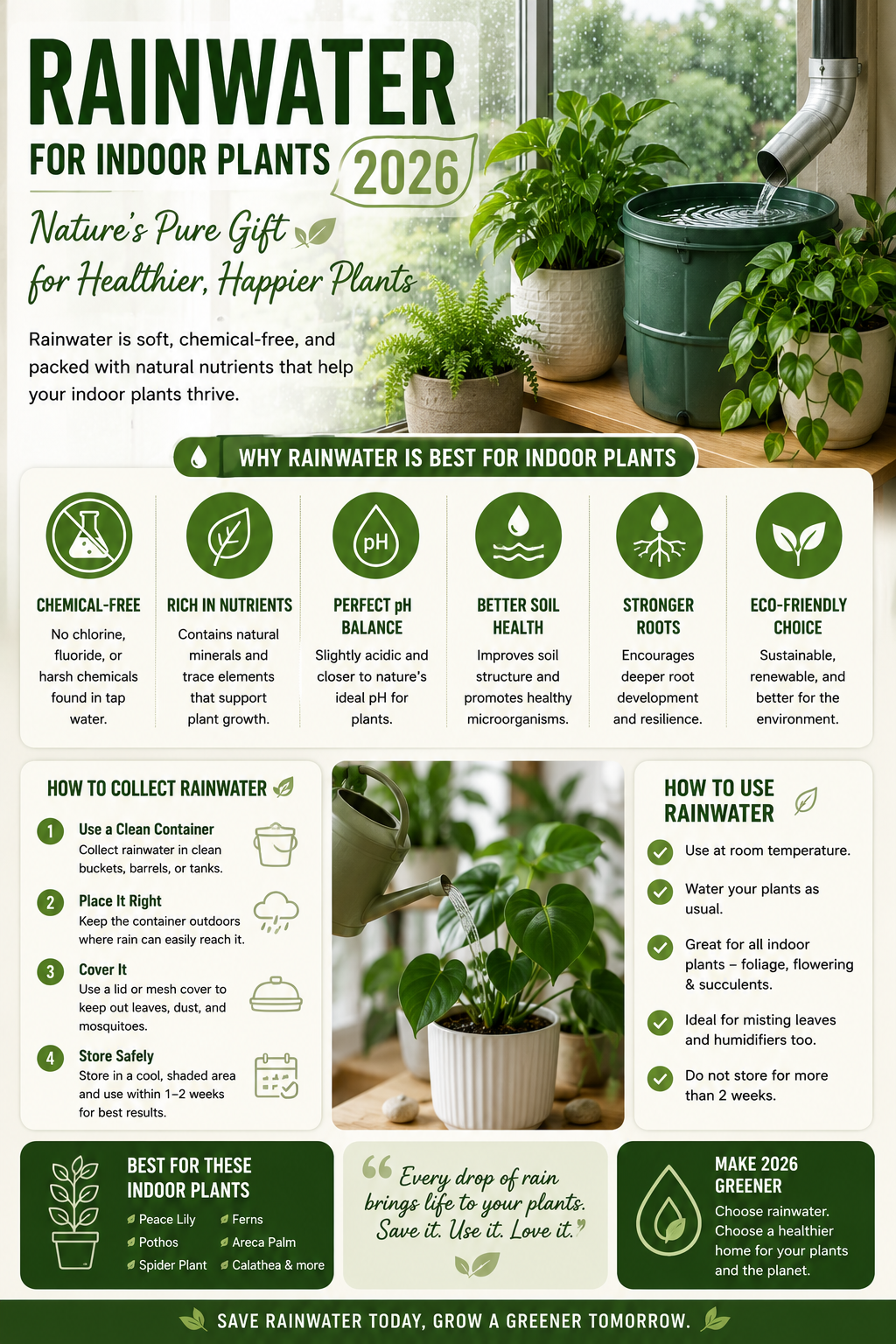
Rainwater is perfect for indoor plants because it’s free of chemicals and contaminants. Using rainwater can improve plant growth and health due to its natural composition and pH levels.
Rainwater provides essential nutrients and is easily absorbed by plants, effectively supporting their overall well-being. Additionally, collecting rainwater is an eco-friendly and sustainable practice that can help reduce water consumption and lower utility bills. By exploring the benefits of using rainwater for indoor plants, you can promote a healthier and more environmentally conscious approach to gardening.
Engaging in this natural watering method can lead to thriving and vibrant indoor greenery while contributing to a more sustainable lifestyle. With its numerous advantages, utilizing rainwater for indoor plants is a practical and beneficial choice for any plant enthusiast.
Natural Nutrients In Rainwater
When it rains, the water that falls from the sky is more than just a source of hydration for your indoor plants. Rainwater also contains natural nutrients that can benefit the overall health and growth of your green companions.
Understanding the natural nutrients present in rainwater, such as nitrogen, phosphorus, potassium, trace minerals, and elements, can help you harness the power of nature to nurture your plants.
Nitrogen
Rainwater is rich in nitrogen, an essential nutrient that plays a crucial role in the growth and development of plants. Nitrogen supports the formation of chlorophyll, which is responsible for photosynthesis, and helps plants produce proteins, enzymes, and other essential molecules.
By providing your indoor plants with rainwater, you are ensuring they receive a natural and potent source of nitrogen to thrive.
Phosphorus
Another vital nutrient found in rainwater is phosphorus. This essential element is involved in various cellular processes, including energy transfer, root development, and the synthesis of DNA and RNA. When your indoor plants are watered with rainwater, they benefit from the bioavailable phosphorus that can enhance their overall resilience and vitality.
Potassium
Additionally, rainwater contains potassium, a nutrient that is crucial for maintaining the osmotic balance within plant cells, regulating stomatal function, and supporting the transport of sugars and other vital compounds.
By incorporating rainwater into your plant care routine, you are providing them with a natural source of potassium that can contribute to their overall health and productivity.
Trace Minerals And Elements
Besides the primary nutrients, rainwater also carries a range of trace minerals and elements that are essential for the optimal growth and development of indoor plants. These include, but are not limited to, calcium, magnesium, sulfur, iron, zinc, and copper.
These micronutrients play various roles in plant metabolism, enzyme activation, and overall nutrient uptake, ensuring that your plants have access to a diverse array of essential elements.
Reduced Chemical Exposure
Chlorine And Fluoride
One of the significant advantages of using rainwater for indoor plants is the reduced exposure to chlorine and fluoride. Municipal water sources often contain these chemicals, which are added to disinfect and fluoridate the water.
However, excessive exposure to chlorine and fluoride can be harmful to plants. By utilizing rainwater, indoor plants are spared from the potential adverse effects of these chemicals.
Other Water Treatment Chemicals
Furthermore, rainwater minimizes exposure to other water treatment chemicals that may be present in tap water. These chemicals, including chloramine and various disinfectants, can negatively impact the overall health and growth of indoor plants.
Rainwater, on the other hand, is free from such artificial additives, offering a more natural and nurturing option for plant hydration.
Environmental Impact
Using rainwater for indoor plants has a positive environmental impact in various ways. From conserving municipal water to reducing runoff pollution, it presents a sustainable solution for plant care.
Conservation Of Municipal Water
Rainwater harvesting for indoor plants leads to a substantial reduction in the reliance on municipal water supply. By utilizing rainwater, households can minimize their consumption of treated water, contributing to the overall conservation efforts in the community.
This practice not only helps in minimizing the strain on water resources but also helps in reducing the energy required for water treatment and transportation.
Reduction Of Runoff Pollution
One of the major issues with conventional watering methods is the runoff of water, which carries harmful chemicals and pollutants into the environment. When rainwater is diverted responsibly towards indoor plants, it reduces the volume of water that turns into runoff, thus limiting the amount of pollution that ends up in our waterways.
By minimizing runoff pollution, rainwater utilization for indoor plants plays a crucial role in preserving the quality of our water sources.
Cost-effectiveness
Cost-effectiveness is a significant aspect of incorporating rainwater for your indoor plants. Not only does it save you money on water bills, but it also minimizes the need for additional fertilizers due to its rich nutrient content.
Savings On Water Bills
Harvesting rainwater for your indoor plants can lead to substantial savings on your water bills. By utilizing this natural resource, you can significantly reduce your reliance on municipal water supplies, cutting down on your monthly expenses.
Additionally, with the proper rainwater collection system, you can store a sufficient amount to cover your plant watering needs during dry spells or periods of water restrictions, eliminating the need to use costly tap water.
Minimal Need For Fertilizers
Rainwater is naturally enriched with nutrients such as nitrogen, phosphorus, and potassium, which are vital for the healthy growth of plants. When using rainwater to irrigate your indoor plants, you reduce the necessity for supplemental fertilizers.
This not only translates into cost savings but also minimizes the risk of over-fertilizing, which can be harmful to your plants’ health. By embracing rainwater, you create a more sustainable and economical approach to nurturing your indoor greenery.
Rain Barrel Setup
Rainwater harvesting is an excellent way to reduce water usage and give your plants the natural hydration they crave. A key component of this process is setting up a rain barrel to collect and store rainwater for use on indoor plants. This method not only conserves water but also provides plants with the essential nutrients they need to thrive.
Choosing The Right Container
When selecting a rain barrel for your indoor plants, it’s essential to choose the right container that can hold an adequate amount of rainwater. Look for a durable, UV-resistant plastic barrel that can withstand outdoor conditions and protect the stored water from contamination. Make sure it has a secure lid to prevent debris, insects, and animals from getting into the water.
Installing A Spigot And Overflow System
To maximize the convenience of using rainwater for your indoor plants, it’s crucial to install a spigot at the bottom of the rain barrel. This will allow you to easily access the collected water and fill your watering can without hassle.
Additionally, an overflow system is necessary to divert excess water away from the barrel to prevent overflow and potential water damage.
Roof Catchment System
When it comes to collecting rainwater for indoor plants, a roof catchment system is an effective and sustainable solution. The roof catchment system involves the collection of rainwater from the roof of a building and storing it for later use.
This method not only conserves water but also reduces the reliance on municipal water sources, making it a cost-effective and environmentally friendly option for watering indoor plants.
Gutter And Downspout Installation
Proper installation of gutters and downspouts is essential for an efficient roof catchment system. The gutters are typically installed along the edge of the roof to collect and channel rainwater towards the downspouts. The downspouts then direct the water to a storage tank or container for later use.
Ensuring that gutters and downspouts are correctly installed helps to maximize the collection of rainwater and minimize potential water wastage.
Leaf Filters And Debris Prevention
In addition to installing gutters and downspouts, using leaf filters and debris prevention systems can help maintain the efficiency of the roof catchment system. Leaf filters are designed to prevent leaves and other debris from clogging the gutters and downspouts, thereby ensuring uninterrupted flow of rainwater into the storage container. Regular maintenance and cleaning of leaf filters and debris prevention systems are crucial to prevent blockages and maintain optimal water collection efficiency.
Storing And Filtering
When it comes to using rainwater for indoor plants, storing and filtering the water properly is essential to ensure the health and vitality of your plants. There are several methods for storing and filtering rainwater, each with its own benefits and considerations.
First Flush Diverter
A first flush diverter is an important component of a rainwater harvesting system. It works by diverting the first flush of rainwater away from the collection tank, which may contain contaminants such as dust, bird droppings, and pollutants that have accumulated on the roof.
This helps to improve the overall quality of the collected rainwater, making it safer for indoor plant use. Installing a first flush diverter is a simple yet effective way to ensure that the water your plants receive is clean and free from harmful substances.
Mesh Filter Or Screen
Using a mesh filter or screen is another important step in filtering rainwater for indoor plants. This filter helps to remove debris, leaves, and other larger particles from the collected rainwater, preventing them from entering the storage tank, where they could potentially clog the system or contaminate the water.
A mesh filter or screen is an inexpensive but highly effective way to improve the quality of your harvested rainwater. Regular maintenance and cleaning of the filter will ensure optimal performance and the best possible water quality for your indoor plants.
Importance Of Ph For Plants
The pH level of the soil is a crucial factor that directly impacts the growth and health of indoor plants.
pH measures the acidity or alkalinity of the soil, and it plays a vital role in determining the availability of essential nutrients for plants.
Impact On Nutrient Availability
The pH level of the soil significantly influences the availability and absorption of essential nutrients by indoor plants.
When the pH is either too acidic or too alkaline, it can hinder the plants’ ability to take up nutrients, leading to nutrient deficiencies and stunted growth.
Effects On Soil Microorganisms
The pH of the soil also affects the population and activity of soil microorganisms, which are essential for the plant’s health and soil fertility.
Acidic soils may inhibit the growth of beneficial microorganisms, while alkaline soils may encourage the proliferation of harmful ones.
Diy Ph Testing Methods
Rainwater is an excellent natural resource for watering indoor plants due to its purity and balanced pH levels. It’s vital to ensure the pH level of rainwater is suitable for your plants’ needs.
Here are some DIY pH testing methods that you can use to determine the acidity or alkalinity of rainwater for your indoor plants.
Using A Ph Testing Kit
pH testing kits are readily available at gardening stores or online retailers. These kits are simple to use and provide accurate pH readings. To use a pH testing kit, follow these steps:
- Collect a small sample of rainwater in a clean container.
- Insert the pH testing strip into the water for the recommended duration.
- Compare the color of the strip to the color chart provided with the kit to determine the pH level.
Using a pH testing kit is a quick and reliable method to assess the pH of rainwater for your indoor plants.
Making A Homemade Ph Indicator Solution
You can create a homemade pH indicator solution using readily available ingredients. One commonly used homemade solution is the red cabbage pH indicator. Here’s how to make it:
- Chop up a red cabbage into small pieces.
- Boil the cabbage in water for 10–15 minutes.
- Strain the liquid and let it cool. This liquid will act as the pH indicator solution.
- To use the solution, add a few drops of rainwater to a small amount of the cabbage liquid in a clear container. Observe the color change to determine the pH level.
The homemade pH indicator solution provides a cost-effective way to determine the pH of rainwater, ensuring it is optimal for your indoor plants.
Adjusting Ph Levels Naturally
Adjusting pH levels naturally is essential for ensuring the optimal growth of indoor plants. Rainwater provides an eco-friendly and cost-effective method for maintaining the pH balance in your plant’s soil. By incorporating natural methods to adjust pH levels, you can create a healthier environment for your indoor plants to thrive.
Adding Organic Acids
Utilizing organic acids in the form of vinegar, citrus juice, or coffee grounds can effectively lower the pH level of rainwater. These natural substances work as gentle acidifiers, balancing the alkalinity of the water and providing essential nutrients to the plants.
Using Garden Lime Sparingly
While adding garden lime can help raise the pH level of rainwater, it should be used sparingly. Excessive use of lime can lead to alkalinity overload in the soil, inhibiting nutrient absorption for plants. It is crucial to monitor the pH levels regularly and use garden lime cautiously to maintain a healthy balance for your indoor plants.
Contaminant Risks
When it comes to using rainwater for indoor plants, it’s essential to be aware of the potential contaminant risks that it may carry.
While rainwater is generally considered beneficial for plants due to its natural composition and lack of chemicals often found in tap water, it’s important to understand the potential contaminants that can pose risks to your plants’ health.
Airborne Pollutants
Rainwater can absorb various airborne pollutants during its descent from the atmosphere. These pollutants include particulate matter, industrial emissions, vehicular exhaust, and other atmospheric contaminants. When using rainwater for indoor plants, it’s crucial to consider the potential presence of these airborne pollutants and their impact on plant health.
Microorganisms And Pathogens
Another contaminant risk associated with rainwater is the presence of microorganisms and pathogens. As rainwater comes into contact with various surfaces and organic matter, it can accumulate bacteria, fungi, and other harmful microorganisms.
When utilizing rainwater for watering indoor plants, there is a possibility of introducing these microorganisms to the plants, potentially leading to diseases and other health issues.
Testing For Contaminants
Testing for contaminants in rainwater used for indoor plants is crucial to ensuring the health and well-being of your green companions. Without proper testing, your plants may suffer due to the presence of harmful substances.
There are various methods to test for contaminants in rainwater, ranging from simple water quality testing kits to more comprehensive laboratory analysis options.
Water Quality Testing Kits
Water quality testing kits are a convenient and cost-effective way to check for common contaminants such as pH levels, dissolved solids, and specific minerals. These kits typically include test strips or colorimetric reagents that can provide quick and easy results.
By utilizing these kits, you can swiftly assess the suitability of rainwater for your indoor plants without the need for professional assistance.
Laboratory Analysis Options
For a more in-depth assessment of rainwater quality, consider opting for laboratory analysis. In this method, water samples are sent to a certified laboratory that specializes in water testing. The analysis provides detailed insights into the presence of contaminants such as heavy metals, microbial pathogens, and organic pollutants that may not be detectable through standard testing kits.
By choosing laboratory analysis, you can gain a comprehensive understanding of the quality of rainwater and make informed decisions to protect your indoor plants.
Remediating Water Quality Issues
Remediating water quality issues is crucial for the health and vitality of indoor plants. Rainwater can contain impurities that may be harmful to plants if left untreated. However, there are effective methods for improving the water quality to ensure optimal growing conditions for your indoor plants.
Ultraviolet Sterilization
Ultraviolet (UV) sterilization is a highly effective method for purifying rainwater and eliminating harmful microorganisms and pathogens that can negatively impact the health of indoor plants. UV sterilization works by using UV light to disrupt the DNA of microorganisms, rendering them unable to reproduce and causing them to die off.
This process helps to ensure that the water used for watering indoor plants is free from harmful bacteria and pathogens.
Activated Charcoal Filtration
Activated charcoal filtration is another excellent technique for improving the quality of rainwater. Activated charcoal works by absorbing impurities and contaminants through a process called adsorption.
This helps to remove organic compounds, chemicals, and odors from the water, resulting in cleaner and purer water for your indoor plants. Additionally, activated charcoal filtration can help to balance the pH levels of the water, creating an optimal environment for plant growth.
Best Practices
Proper watering is crucial for the health and growth of indoor plants. Utilizing rainwater can be highly beneficial due to its natural purity and optimal pH levels. To make the most of rainwater for your indoor plants, it’s important to follow some best practices that revolve around watering frequency, avoiding waterlogging or drought, and ensuring optimal irrigation.
Watering Frequency And Amount
Understanding the watering needs of your indoor plants is vital for their thriving. When utilizing rainwater, it’s essential to maintain a consistent watering schedule. Assess the moisture levels in the soil regularly to determine the frequency of watering required. Generally, indoor plants benefit from thorough but infrequent, watering.
Avoiding Waterlogging Or Drought
To prevent waterlogging, ensure that the containers have drainage holes to facilitate the draining of excess water. Saturating the soil with rainwater can sometimes lead to waterlogging, which can suffocate the plant roots.
Regularly check the moisture level in the soil to avoid both waterlogging and drought, ensuring the soil remains moist but not waterlogged.
Adjusting For Seasonal Variations
Adjusting for Seasonal Variations is crucial when it comes to nurturing indoor plants with rainwater. Each season brings different challenges and opportunities, requiring careful adjustments to maintain optimal plant health.
Let’s explore the best practices for managing water availability in different seasons and addressing potential temperature extremes to ensure your indoor plants thrive year-round.
Managing Water Availability In Different Seasons
Understanding the water requirements of indoor plants is essential for adjusting to seasonal variations. In the cooler months, plants typically require less water due to decreased evaporation and slower growth.
Conversely, warmer seasons demand more frequent watering to accommodate heightened evaporation rates and rapid growth. To effectively manage water availability, consider the following seasonal adjustments:
- Winter: Reduce watering frequency and volume to prevent waterlogging and growth stagnation.
- Spring: Gradually increase watering as plants enter their active growth phase, paying attention to signs of overwatering.
- Summer: Monitor soil moisture closely and water more frequently, especially during heatwaves, to prevent dehydration.
- Autumn: Adjust watering as temperatures begin to cool, allowing plants to prepare for dormancy.
Addressing Potential Temperature Extremes
Temperature extremes can significantly impact the effectiveness of rainwater for indoor plants. Be mindful of the following considerations to mitigate potential issues:
- Cold temperatures: Shield plants from drastic temperature drops by positioning them away from drafty windows and doors. If necessary, provide supplementary heat or insulation.
- Hot temperatures: Implement shading techniques, such as blinds or sheer curtains, to protect plants from excessive heat and sun exposure. Consider using a fan or air conditioning to maintain a comfortable environment for your plants.
Monitoring Plant Health
Monitoring plant health is an essential part of caring for indoor plants, ensuring they receive the right balance of nutrients, water, and light to thrive. By observing the signs of nutrient deficiencies or excesses and watching for symptoms of waterborne issues, you can take proactive steps to maintain the well-being of your plants.
Signs Of Nutrient Deficiencies Or Excesses
Nutrient deficiencies and excesses can impact the overall health of your indoor plants. By closely monitoring their appearance, you can identify potential issues and take appropriate action. Here are some common signs to look for:
- Yellowing or browning of leaves: This could indicate a lack of essential nutrients such as nitrogen or iron.
- Stunted growth: Insufficient nutrients may hinder the plant’s growth, leading to smaller leaves or overall size.
- Burnt or distorted leaf edges: Excessive amounts of certain nutrients, like potassium, can cause leaf edge damage.
Observing For Symptoms Of Waterborne Issues
Over-watering and water quality issues can also affect the health of your indoor plants. By keeping an eye out for the following symptoms, you can address potential water-related problems:
- Wilting or drooping leaves: This could be a result of over-watering or poor drainage, leading to root rot.
- Yellowing lower leaves: Excessive soil moisture may cause lower leaf yellowing due to lack of oxygen reaching the roots.
- White crust on soil surface or pots: This can indicate high mineral content in the water, potentially affecting plant growth.
Cleaning And Maintenance
When it comes to caring for your indoor plants, cleaning and maintenance are essential for their overall well-being. Regularly cleaning and maintaining the rainwater used for your plants will help to ensure that they receive the purest and healthiest water possible.
Additionally, it can prevent the buildup of algae, bacteria, and other contaminants that may negatively impact your plants’ growth.
Non-potable Household Cleaning Tasks
Using rainwater for non-potable household cleaning tasks can be an excellent way to reduce your reliance on tap water. When using rainwater for tasks such as mopping floors, washing windows, or cleaning surfaces, it’s essential to ensure that the water is free from debris and contaminants.
Regularly cleaning your rainwater collection system, whether it’s a tank, barrel, or other container, is crucial for maintaining the quality of the water.
Patio And Outdoor Furniture Washing
Rainwater can also be used for cleaning patio and outdoor furniture. This natural water source is gentle on surfaces and can help to prevent the buildup of mineral deposits that may occur when using tap water.
When using rainwater for washing outdoor furniture, it’s important to brush off any visible debris to prevent clogging and damage to your cleaning tools.
Pet And Wildlife Water Source
Providing a reliable water source for pets and wildlife is essential for maintaining a healthy and thriving ecosystem. Rainwater harvesting can serve as an excellent solution for ensuring animals have access to clean water for drinking and bathing.
Bird Baths And Natural Wildlife
Bird baths can be a valuable addition to your garden or outdoor space, offering a designated area for birds to quench their thirst and keep their feathers clean. Rainwater collected from rooftop gutters can be redirected into a decorative bird bath or a shallow bowl placed in a garden, providing a safe and attractive water source for local bird species.
Additionally, other wildlife such as squirrels and insects, can benefit from accessible rainwater, contributing to a biodiverse and well-nourished ecosystem.
Watering Pets And Livestock
Watering pets and livestock with rainwater eliminates the need for treated tap water, reducing exposure to potentially harmful chemicals. Rainwater can be collected in large tanks or barrels and used to fill water troughs for horses, cattle, and other livestock, ensuring they have access to fresh and pure water.
For indoor pets like cats and dogs, filtered rainwater can be used for drinking and bathing, promoting their overall well-being through natural hydration and grooming.
Irrigation For Outdoor Gardens
Irrigation is a critical aspect of maintaining a healthy outdoor garden. Proper watering techniques not only ensure the survival of your plants but also promote their growth.
To achieve optimum results, you can use various methods of irrigation, such as supplementing garden watering, drip irrigation, and soaker hoses. Let’s explore these options in detail below.
Supplementing Garden Watering
When natural rainfall is insufficient, supplementing garden watering becomes essential for outdoor plants. This can be done through manual watering or by utilizing irrigation systems such as sprinklers or drip irrigation.
It is important to monitor soil moisture levels and adjust watering frequency depending on the specific needs of the plants in your garden.
Drip Irrigation And Soaker Hoses
Drip irrigation and soaker hoses are efficient methods of providing consistent moisture to garden beds and individual plants. These systems deliver water directly to the root zone, reducing water waste and minimizing the risk of disease.
By using a timer or moisture sensor, you can ensure that your outdoor garden receives the right amount of water at the right time, promoting healthy growth and minimizing maintenance efforts.
Sustainable Watering Practices
Rainwater, often overlooked, is a sustainable and eco-friendly alternative for watering indoor plants. By harnessing the power of nature, rainwater not only benefits your plants but also the environment. Adopting sustainable watering practices not only conserves water but also promotes long-term plant health.
Let’s delve into the environmental benefits of rainwater usage and long-term plant health considerations.
Environmental Benefits Of Rainwater Usage
Using rainwater for indoor plants has numerous environmental benefits, contributing to conservation efforts and reducing the demand for treated water. Here are some key advantages:
- Reduces strain on local water supplies
- Decreases reliance on energy-intensive water treatment processes
- Minimizes stormwater runoff pollution
- Preserves natural water sources
By utilizing rainwater, you are actively participating in sustainable resource management and reducing your ecological footprint.
Long-term Plant Health Considerations
When it comes to plant health, rainwater offers unique advantages over tap water or other sources. Consider the following factors:
- Nutrient-rich: Rainwater contains essential minerals that promote plant growth and overall vitality.
- Balanced pH: Unlike tap water, rainwater is naturally slightly acidic, which can benefit acid-loving plants.
- Reduced chemical exposure: By avoiding chlorine and other additives found in tap water, plants are less exposed to potentially harmful chemicals.
Considering these factors, incorporating rainwater into your watering routine not only benefits the environment but also contributes to the long-term health and well-being of your indoor plants.
Frequently Asked Questions On Rainwater For Indoor Plants
What Are The Benefits Of Using Rainwater For Indoor Plants?
Using rainwater for indoor plants helps provide natural nutrients and avoids chlorine and other chemicals found in tap water.
How Can I Collect And Store Rainwater For My Indoor Plants?
You can collect rainwater in a barrel or container and store it in a dark, covered area to prevent algae growth.
Is Rainwater Safe For All Indoor Plants?
Rainwater is generally safe for most indoor plants, but it’s important to monitor the pH levels and adjust if necessary.
Can I Use Rainwater From My Roof For Indoor Plants?
Rainwater from a clean metal or tile roof can be used for indoor plants after the initial runoff to wash away debris.
Conclusion
Incorporating rainwater into your indoor plant care routine can significantly benefit their growth and overall health. By collecting and using rainwater, you can provide your plants with natural nutrients and avoid the chemical additives present in tap water. With a mindful approach, you can create a sustainable and eco-friendly environment for your indoor plants.