
Most gardening advice boils down to “water regularly and hope for the best.” But experienced gardeners know there’s a lot more going on beneath the surface — literally. Whether your tomatoes keep dying or your houseplants refuse to thrive, the difference often comes down to a handful of techniques that rarely make it into beginner guides.
These ten gardening secrets won’t just keep your plants alive. They’ll help them flourish.
1. Your Soil Is Everything — Test It Before You Plant
Healthy plants start with healthy soil. Before adding compost, fertilizer, or anything else, test your soil’s pH and nutrient levels. Most plants prefer a pH between 6.0 and 7.0, but some — like blueberries — need it more acidic. A basic soil test kit costs just a few dollars at any garden center and can save you months of frustration.
Amend your soil based on what the test reveals, not on guesswork. This one step separates thriving gardens from struggling ones.
2. Water Deeply, Not Frequently
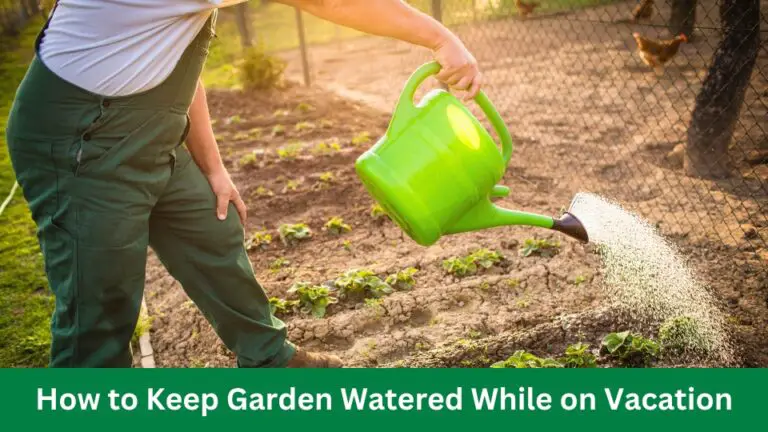
Frequent, shallow watering trains roots to stay near the surface, making plants vulnerable to heat and drought. Deep, infrequent watering encourages roots to grow downward, building resilience.
For most garden plants, watering deeply two to three times per week is more effective than a light sprinkle every day. Stick your finger two inches into the soil — if it’s still moist, hold off. If it’s dry, it’s time to water.
3. Learn to Read Your Plant’s Leaves
Leaves are a plant’s communication system. Yellowing leaves often signal overwatering or nitrogen deficiency. Brown, crispy edges can indicate underwatering or too much direct sun. Pale, washed-out leaves may point to insufficient light.
Once you learn to decode these signals, you’ll catch problems early — before they become irreversible. Keep a close eye on new growth, which is the most reliable indicator of overall plant health.
4. Mulch Is Your Garden’s Best Friend
A two-to-three-inch layer of mulch around your plants does several things at once: it retains soil moisture, regulates temperature, suppresses weeds, and slowly adds organic matter as it breaks down. Many gardeners skip this step and end up spending far more time watering and weeding as a result.
Wood chips, straw, and shredded leaves all work well. Just keep mulch a few inches away from plant stems to prevent rot.
5. Feed Plants on a Schedule, Not on a Whim
Plants need nutrients to grow, but overfeeding is just as damaging as underfeeding. Too much nitrogen, for example, produces lush foliage at the expense of flowers and fruit. A slow-release granular fertilizer applied at the start of the growing season is a solid baseline for most garden plants.
From there, pay attention to what each plant needs. Flowering plants benefit from added phosphorus during bloom. Heavy feeders like corn and squash need more frequent top-ups. Tailor your approach rather than applying a one-size-fits-all solution.
6. Companion Planting Can Transform Your Garden
Some plants actively help each other grow. Basil planted near tomatoes is thought to repel certain pests. Marigolds deter nematodes and aphids. Tall plants like sunflowers can provide shade and wind protection for more delicate neighbors.
This practice, known as companion planting, also makes efficient use of space. Pairing a deep-rooted plant with a shallow-rooted one means they’re competing for nutrients at different soil levels — a natural way to maximize yield.
7. Prune With Purpose
Pruning isn’t just about keeping plants tidy. Done correctly, it redirects the plant’s energy toward new growth, better fruit production, and improved airflow — which reduces disease. Done incorrectly, it can stress or even kill a plant.
The basic rule: cut just above a leaf node or bud, at a slight angle, using clean and sharp tools. Avoid pruning during extreme heat or immediately before frost. For most flowering shrubs, prune right after blooming to avoid removing next season’s buds.
8. Attract Pollinators Intentionally
A garden full of beautiful plants can still underperform if pollinators aren’t visiting. Bees, butterflies, and other insects are responsible for fertilizing many of the vegetables and fruits we grow. Without them, yields drop significantly.
Plant pollinator-friendly flowers — lavender, echinacea, and borage are excellent options — near your vegetable beds. Avoid pesticides during bloom periods, and consider leaving a small patch of your garden a little wild. Pollinators need shelter and water just as much as food.
9. Don’t Skip the Hardening Off Process
If you start seeds indoors and move them outside too quickly, the shock can set them back weeks — or kill them entirely. Hardening off means gradually acclimatizing seedlings to outdoor conditions over seven to ten days before transplanting.
Start by placing them outside in a sheltered spot for a few hours each day, increasing exposure gradually. This builds the plant’s resilience to wind, temperature fluctuation, and direct sunlight. Skipping this step is one of the most common mistakes new gardeners make.
10. Keep a Garden Journal
This last tip is the one most people overlook — and it might be the most valuable. A simple garden journal tracking what you planted, where, when, and how it performed gives you a roadmap to improve every season.
Note which varieties thrived, which pests showed up and when, what the weather was like, and what you’d do differently. Over time, this record becomes an invaluable resource tailored specifically to your climate, soil, and gardening style. No article or book can replicate that kind of personalized insight.
Small Changes, Big Results
Gardening rewards patience and observation more than any other skill. None of these secrets require expensive tools or specialist knowledge — just a willingness to slow down, pay attention, and adjust your approach based on what your plants are telling you.
Start with one or two of these techniques this season. Test your soil before planting, or try mulching your beds for the first time. The improvements are usually noticeable within weeks, and the confidence that comes from a thriving garden has a way of making you want to keep going.
Frequently Asked Questions
What is the most important factor for a healthy garden?
Soil quality is the foundation of any successful garden. Without the right pH and nutrient balance, even the best plants will struggle. Testing and amending your soil before planting is the single most impactful step you can take.
How often should I water my garden plants?
Most garden plants do best with deep watering two to three times per week, rather than light daily watering. The goal is to encourage roots to grow deep into the soil, which makes plants more drought-resistant over time.
What is companion planting and does it actually work?
Companion planting is the practice of growing certain plants near each other to create mutual benefits — such as pest deterrence, pollinator attraction, or efficient use of space. While results vary, many gardeners and researchers have found it to be a practical and low-cost way to improve garden health.
When is the best time to prune plants?
Timing depends on the plant. Most flowering shrubs should be pruned right after blooming. For fruit trees and many perennials, late winter or early spring — before new growth begins — is typically best. Always avoid pruning during extreme weather conditions.
Why should I keep a garden journal?
A garden journal creates a personalized record of what works in your specific environment. Over time, it helps you spot patterns, avoid repeat mistakes, and make smarter decisions each season — something no general gardening guide can replicate.