
There’s a reason people describe their garden as their happy place. What starts as a weekend hobby — pulling weeds, planting seeds, watering pots — quietly becomes something much more meaningful. Gardening has a way of grounding you, both literally and figuratively, and the benefits run deeper than a tidy yard or a homegrown tomato.
From measurable improvements in mental health to a surprisingly solid physical workout, gardening delivers results that many conventional wellness habits simply don’t. And when you factor in what a well-tended garden does for your home? The case for picking up a trowel gets even stronger.
How Gardening Benefits Your Mental Health
It Reduces Stress — and There’s Science Behind It
Spending time in a garden lowers cortisol, the hormone your body releases in response to stress. Research published in the Journal of Health Psychology found that gardening outperformed reading as a stress-relief activity, with participants reporting better mood and lower cortisol levels after just 30 minutes outdoors in the garden.
Part of this comes down to a concept called “attention restoration theory,” developed by environmental psychologists Rachel and Stephen Kaplan. Their research suggests that natural environments — gardens included — help restore mental focus by giving the brain a chance to rest from the directed attention demands of daily life. Screens, deadlines, and decisions all compete for your concentration. Digging in the soil does not.
It Eases Anxiety and Depression
Gardening gives you something tangible to tend to — a task with a clear beginning, middle, and end. That structure can be grounding for people managing anxiety. The act of nurturing a plant and watching it respond over time creates a feedback loop of small, consistent wins that build a sense of control and calm.
Horticultural therapy — a practice that uses gardening activities as a therapeutic tool — is now used in clinical settings to support people with depression, PTSD, and dementia. It’s not a replacement for professional mental health care, but it’s a meaningful complement to it.
It Keeps You Present
Gardening is one of the few activities that demands your full attention without feeling demanding. You’re checking soil moisture, noticing new growth, listening for birdsong, and feeling the texture of leaves between your fingers. It engages all your senses in a way that pulls you out of your head and into the moment — which is essentially what mindfulness practices aim to achieve, just without the app or the guided audio.
The Physical Benefits of Gardening
It’s More Exercise Than You Think
Gardening doesn’t look like a workout, but your body knows otherwise. Digging, raking, carrying bags of compost, and kneeling to plant are all forms of moderate-intensity physical activity. The Centers for Disease Control and Prevention (CDC) classifies gardening as moderate exercise — in the same category as walking at a brisk pace.
An hour of gardening can burn anywhere from 200 to 400 calories depending on the task and your body weight. Beyond calorie burn, it builds strength in your core, arms, and legs, and improves flexibility through the constant reaching, bending, and squatting involved.
It Gets You Outdoors and Into the Sun
Vitamin D deficiency is widespread, particularly in countries with limited sunlight or populations who spend most of their day indoors. Gardening gets you outside and into natural light — even on overcast days — which supports bone health, immune function, and mood regulation. It’s not a substitute for sunscreen, but it is a compelling reason to spend more time outdoors.
Fresh Produce, Straight from the Garden
Growing your own fruit, vegetables, and herbs gives you access to produce that’s picked at peak ripeness — which tends to be more nutritious than items that have spent days in transit or on a shelf. Beyond the nutritional upside, people who grow their own food tend to eat more of it. There’s something about harvesting a handful of cherry tomatoes you grew yourself that makes a salad considerably more appealing.
What a Garden Does for Your Home
It Adds Genuine Value to Your Property
A well-maintained garden has a measurable impact on property value. Real estate research consistently shows that good landscaping and outdoor space significantly influence buyer decisions — some studies suggest landscaping can increase property value by anywhere from 5% to 15%. Even if selling isn’t on your radar, a garden that’s genuinely cared for simply makes a home feel more livable.
It Improves Air Quality
Plants absorb carbon dioxide and release oxygen, but their air-quality benefits extend further than basic photosynthesis. Certain plant species absorb airborne pollutants and volatile organic compounds (VOCs), which can accumulate indoors from household products, paints, and furnishings. Bringing plants inside — or cultivating them close to windows and entryways — supports better air quality throughout your home.
It Creates a Habitat for Wildlife
A garden planted with the right mix of native species, flowering plants, and shrubs becomes a functioning ecosystem. Pollinators like bees and butterflies find food. Birds find shelter. Hedgehogs, frogs, and beneficial insects find a home. Creating biodiversity in your garden isn’t just good for the environment — it makes the garden itself more vibrant, dynamic, and satisfying to spend time in.
It Gives You a Space That’s Genuinely Yours
There’s a quiet satisfaction in shaping an outdoor space to reflect your taste. Whether that’s a neatly structured kitchen garden, a wild and overgrown cottage aesthetic, or a minimal arrangement of potted plants on a balcony, gardening lets you curate an environment that feels personal. That sense of ownership over a space — and pride in how it looks — has a real effect on how much you enjoy being at home.
Start Small, Go at Your Own Pace
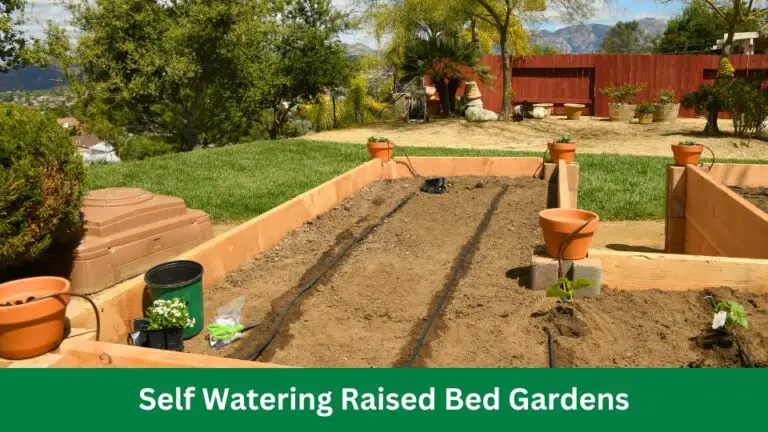
You don’t need a sprawling backyard or a horticultural degree to get started. A windowsill herb garden is a garden. A single raised bed is a garden. A cluster of pots on a balcony is a garden. The entry point is wherever you are.
Pick one small project — grow basil from seed, plant a native wildflower patch, or repot an overgrown houseplant — and give it your attention for a few weeks. The habit builds itself from there. Most people who start gardening don’t stop, not because they feel obligated to, but because it genuinely makes them feel better.
That’s the thing about gardening. It asks very little of you upfront and returns more than you expect.
Frequently Asked Questions
How long does it take to see mental health benefits from gardening?
Many people notice a shift in mood after a single session. Research suggests that even 30 minutes of gardening can meaningfully reduce cortisol levels and improve self-reported wellbeing. Longer-term benefits — including reduced anxiety and a greater sense of purpose — tend to develop over weeks and months of regular practice.
Is gardening suitable for people with physical limitations?
Absolutely. Raised garden beds, container gardening, and vertical planters make gardening accessible for people with limited mobility or chronic pain. Many therapeutic gardening programs are specifically designed for older adults and people with physical disabilities.
Do I need outdoor space to benefit from gardening?
No. Indoor gardening with houseplants, herbs, or even a small grow light setup delivers many of the same mental health and air quality benefits. The act of tending to plants — watering, pruning, repotting — provides the same sense of nurturing and connection to nature regardless of whether you’re outdoors.
What are the easiest plants to grow for beginners?
Herbs like basil, mint, and chives are forgiving and fast-growing. Tomatoes, courgettes, and lettuce are reliable choices for edible gardens. Sunflowers and marigolds are excellent for first-time flower growers. The best plant to start with is one you’re genuinely curious about — motivation matters more than ease.