
A beautiful garden doesn’t happen by accident—but it doesn’t require years of expertise either. Whether you’re working with a sprawling backyard or a modest patch of soil, the right approach can turn any outdoor space into something you’re proud of. The secret lies in smart planning, the right plants, and a few design principles that professional gardeners swear by.
This post walks you through practical, beginner-friendly ideas to help you build the garden you’ve always wanted—from the ground up.
Start with a plan (seriously, don’t skip this)
The most common gardening mistake is diving straight into planting without a clear vision. Before you buy a single seed, spend time observing your outdoor space. Which areas get full sun? Where does water pool after rain? Is your soil sandy or dense with clay?
Answering these questions shapes every decision that follows. A sun-loving rose planted in a shaded corner will struggle no matter how well you tend to it. Map out your garden on paper first—mark your sunniest spots, note any existing features like trees or fences, and decide which areas you want to prioritize.
Once you have a rough layout, think about what you actually want from your garden. A relaxing retreat? A productive vegetable patch? A colorful display that looks great from the street? Your goal determines your design.
Choose the right plants for your space
Plant selection is where many gardens succeed or fail. The golden rule: right plant, right place.
Native plants are a great starting point, especially for beginners. They’re adapted to your local climate, require less water, and tend to be more resistant to pests. Beyond that, they support local wildlife—bees, butterflies, and birds will thank you for it.
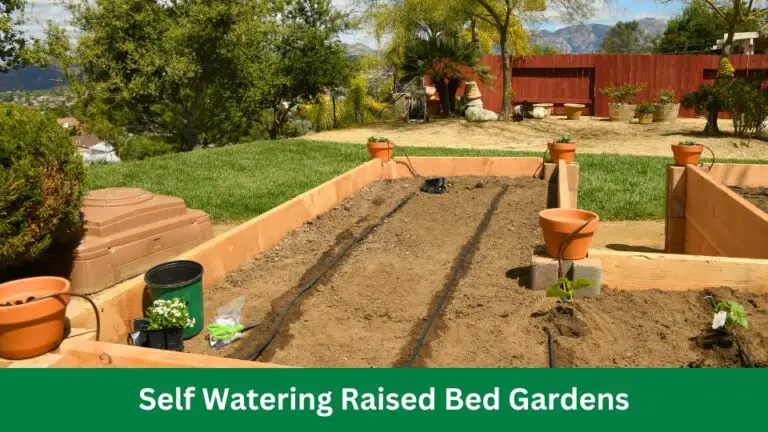
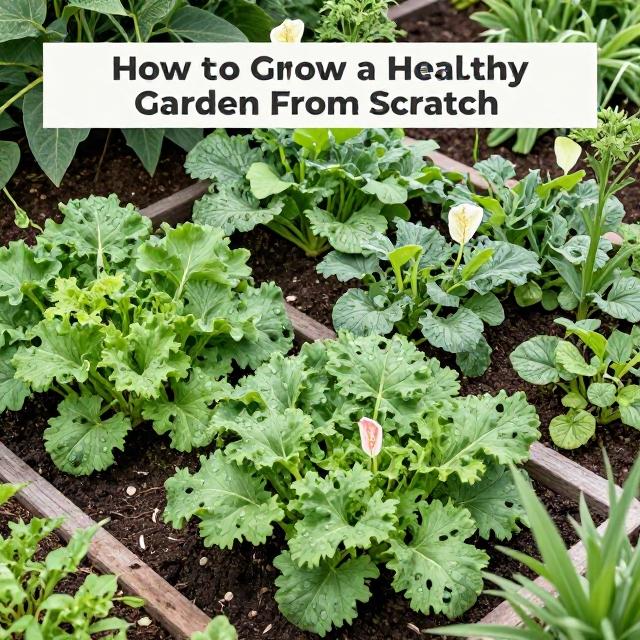
For those working with limited space, think vertically. Climbing plants like clematis, jasmine, or climbing roses can transform a bare fence into a lush green backdrop without taking up precious ground space. Raised garden beds are another smart option—they improve drainage, warm up faster in spring, and make it easier to control soil quality.
If you’re drawn to edible gardens, start small. A compact herb garden on a sunny windowsill or a few containers of tomatoes on a patio can be hugely rewarding without overwhelming you. Basil, mint, rosemary, and chives are all easy to grow and incredibly useful in the kitchen.
Build healthy soil before anything else
Experienced gardeners often say you should garden the soil, not the plant. Healthy soil is the foundation of a thriving garden, and it’s worth investing time here before you plant a single thing.
Compost is your best friend. Adding homemade or store-bought compost to your soil improves its structure, boosts nutrient levels, and encourages the microbial activity that plants need to thrive. Even a small compost bin in the corner of your garden can make a meaningful difference over time.
If your soil is particularly poor—very sandy, waterlogged, or compacted—raised beds filled with a quality potting mix are a practical workaround. You essentially bypass the problem entirely and give your plants an ideal growing environment from day one.
Create structure with garden zones
A well-designed garden feels intentional. One of the simplest ways to achieve this is by dividing your space into distinct zones, each with a clear purpose.
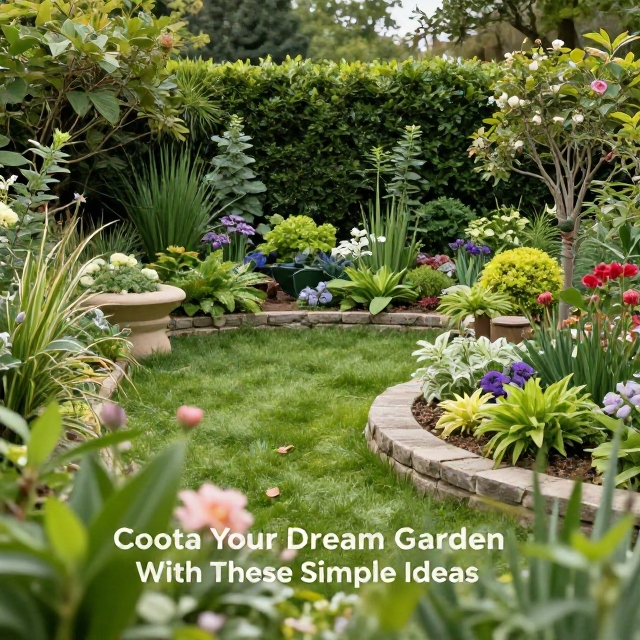
You might have a seating area surrounded by fragrant plants, a vegetable patch tucked near the back, and a wildflower border along the fence line. Even in smaller gardens, this kind of zoning prevents the space from feeling cluttered or chaotic.
Paths are a particularly effective design tool. A simple gravel path or a row of stepping stones draws the eye through the garden and creates a sense of depth. They also serve a practical purpose—you can tend to your plants without compacting the surrounding soil.
Focal points work in a similar way. A striking sculpture, a birdbath, a large architectural plant, or even a beautifully painted pot can anchor a garden and give it personality. Choose one or two focal points rather than many, and let them do the heavy lifting visually.
Water wisely and consistently
Watering seems straightforward, but it’s where a lot of gardeners go wrong. Overwatering is one of the leading causes of plant death—roots need oxygen as much as they need moisture, and soggy soil cuts off their air supply.
As a general rule, water deeply and less frequently rather than giving plants a light sprinkle every day. Deep watering encourages roots to grow downward in search of moisture, which makes plants more drought-tolerant over time.
Watering in the morning is ideal. It gives foliage time to dry out during the day, reducing the risk of fungal diseases. Avoid watering in the heat of the afternoon when evaporation is at its highest.
A drip irrigation system or soaker hose is worth considering if you want to simplify this process. These systems deliver water directly to the root zone, reducing waste and keeping foliage dry.
Add personality with garden décor
The best gardens feel like an extension of the home—they have character. Once your planting is underway, simple decorative touches can elevate the overall look significantly.
Outdoor lighting transforms a garden after dark. Solar-powered fairy lights threaded through a hedge or lanterns placed along a path create a warm, inviting atmosphere with minimal effort and no wiring required.
Pots and containers add flexibility. They let you introduce color and texture in places where planting directly isn’t possible—a front doorstep, a paved courtyard, or a balcony. Group containers of varying heights together for a more dynamic display.
Don’t overlook furniture. A well-placed bench or a small bistro table invites you to actually spend time in the garden, which is ultimately the whole point.
Keep it manageable with low-maintenance choices
A dream garden should bring you joy, not stress. If your schedule doesn’t allow for daily upkeep, design with that in mind from the start.
Perennial plants are a low-maintenance gardener’s best friend. Unlike annuals, which need to be replanted each year, perennials come back season after season. Plants like lavender, salvia, echinacea, and ornamental grasses offer reliable color and texture with minimal intervention.
Mulching is another time-saving habit worth adopting. A layer of bark mulch or wood chips around your plants suppresses weeds, retains moisture, and keeps soil temperature stable. It’s one of those tasks that takes an hour and saves you countless hours of weeding throughout the season.
Finally, be realistic about how much time you can commit. A smaller, well-maintained garden is far more enjoyable than a large one that feels like a chore.
Start small and build from there
The best gardens evolve over time. You don’t need to transform your entire outdoor space in a single season. Pick one area to focus on first—a border, a raised bed, a patio corner—and get that right before expanding your ambitions.
Gardening rewards patience and observation. The more seasons you spend in your garden, the better you’ll understand what works and what doesn’t in your specific conditions. Every mistake teaches you something useful, and every small success builds confidence.
Your dream garden is achievable. Start with a plan, choose your plants wisely, and take it one step at a time.