
There’s something quietly satisfying about eating food you grew yourself. A tomato pulled straight from the vine, still warm from the sun. A handful of herbs snipped fresh before dinner. These small moments carry a kind of pleasure that’s hard to replicate any other way—and they’re available to anyone willing to put a little dirt under their fingernails.
Growing your own garden doesn’t require a sprawling backyard or years of experience. What it does require is a bit of planning, some patience, and a willingness to learn as you go. Whether you’re starting with a few pots on a balcony or a proper raised bed in the backyard, the process of growing food is one of the most rewarding hobbies you can pick up. Here’s how to do it well, from the very first seed to the final harvest.
How do you start a vegetable garden from scratch?
Every garden begins with a plan. Before you buy a single seed, take stock of what you’re working with. How much space do you have? How many hours of sunlight does it get each day? Most vegetables need at least six hours of direct sun to thrive, so pick your spot accordingly.
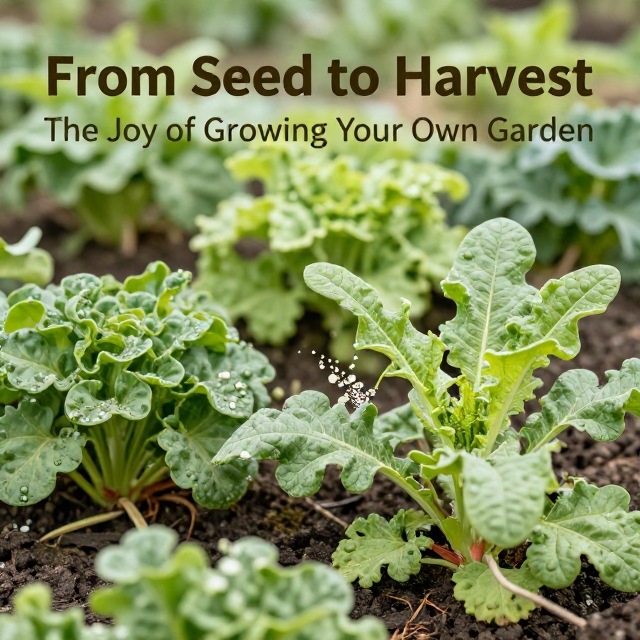
Next, decide what you want to grow. For beginners, it pays to start small and focus on crops that are forgiving and fast-growing. Lettuce, radishes, green beans, and zucchini are all excellent choices—they germinate quickly, don’t demand much fuss, and reward you with results in a matter of weeks. Herbs like basil, parsley, and chives are also great starting points, and they earn their keep in the kitchen almost immediately.
Once you know what you’re growing and where, it’s time to think about your setup. Raised beds are a popular option because they offer excellent drainage, warm up faster in spring, and keep weeds under better control. Containers work well too, especially if space is limited. In-ground beds are perfectly fine, provided the soil is in decent shape.
What’s the best way to prepare soil for a vegetable garden?
Soil is the foundation of everything. Poor soil leads to poor plants—it’s that simple. Before planting, work in plenty of organic matter: compost, aged manure, or a good quality garden mix. This improves drainage, adds nutrients, and creates the kind of loose, crumbly texture that roots love to push through.
If you’re gardening in containers or raised beds, use a high-quality potting or raised bed mix rather than digging up soil from the ground, which can be too dense and may harbor weed seeds or pests.
A soil pH between 6.0 and 7.0 suits most vegetables well. If you’re unsure where yours sits, a simple soil test kit—available at most garden centers—will tell you what you’re working with and whether any amendments are needed.
Starting from seed vs. buying transplants: which is better?
Both approaches have their merits, and many gardeners use a combination of the two.
Starting from seed gives you access to a much wider variety of plants than you’ll typically find at a nursery. It’s also more economical—a packet of seeds costs a fraction of what you’d pay for established transplants. The trade-off is time and attention. Seeds started indoors need warmth, adequate light, and consistent moisture to germinate successfully. A sunny windowsill can work, but a basic grow light setup makes a real difference, especially for heat-loving crops like tomatoes and peppers.
Buying transplants, on the other hand, gets you a head start. You skip the germination stage entirely and plant something that’s already a few weeks old. This is a smart move for crops with long growing seasons, or when you’re just getting started and don’t want to take on too much at once.
For direct-sow crops—those you plant straight into the ground—seeds are almost always the better choice. Carrots, beets, peas, and beans all prefer to be sown where they’ll grow, as they don’t transplant well.
How do you care for a vegetable garden through the season?
Once your plants are in the ground, the real work begins—though “work” is generous. Much of what a garden needs is simply consistent attention.
Watering is the most critical task. Most vegetables prefer deep, infrequent watering over shallow, daily sprinkles. Watering at the base of the plant rather than overhead helps prevent disease and reduces waste. Aim for about an inch of water per week, adjusting based on rainfall and heat.
Feeding your plants matters too, particularly for heavy feeders like tomatoes, peppers, and squash. A balanced organic fertilizer applied every few weeks keeps things growing steadily. Look for signs of deficiency—yellowing leaves are often a cue that plants need more nitrogen.
Weeding is the less glamorous part of gardening, but it’s important. Weeds compete with your vegetables for water, nutrients, and light. Stay on top of them while they’re small and the job stays manageable. A layer of mulch around your plants—straw, shredded leaves, or wood chips—cuts down on weeding significantly and helps retain soil moisture at the same time.
Pest management is a matter of observation. Check your plants regularly, especially the undersides of leaves. Catching problems early—whether it’s aphids, caterpillars, or fungal spots—makes them far easier to deal with. Many issues can be handled without chemicals: hand-picking pests, encouraging beneficial insects, or simply removing affected leaves.
The harvest: knowing when and how to pick
Harvesting is, without question, the best part. But timing matters. Picking too early means missing out on full flavor; leaving things too long can cause vegetables to become tough, bitter, or go to seed.
Most crops give you visual and textural cues when they’re ready. Tomatoes should feel firm but give slightly under gentle pressure, with full color. Zucchini is best harvested small—around six to eight inches—before the skin toughens. Beans should snap cleanly when bent. Lettuce can be harvested leaf by leaf as soon as the leaves are large enough to eat.
Here’s one thing seasoned gardeners know well: the more you harvest, the more your plants produce. For crops like beans, cucumbers, and herbs, picking regularly signals the plant to keep flowering and fruiting. Neglect to harvest and production slows.
Why growing your own food is worth the effort
The practical benefits of home gardening are real. You eat fresher produce, reduce grocery costs, and know exactly what went into growing your food. But the reasons people keep coming back to their gardens go beyond the practical.
Gardening is slow in the best possible way. It operates on its own timeline, indifferent to deadlines and notifications. That slowness turns out to be exactly what many people need. Tending to plants—even just for twenty minutes in the evening—creates a natural opportunity to step away from screens and be present in something tangible.
There’s also the satisfaction of a skill built over time. Every season teaches you something. What thrived, what struggled, what you’d do differently. Experienced gardeners speak about their plots with a kind of intimacy that only comes from years of observation. That relationship starts, for everyone, with a single seed.
Start small, grow from there
The biggest mistake new gardeners make is starting too big. Enthusiasm is wonderful, but an overly ambitious first garden often leads to overwhelm—and the plants suffer for it. Pick three to five crops you genuinely enjoy eating, give them the space and care they need, and let that success build into something larger next season.
A garden doesn’t have to be impressive to be meaningful. Even a pot of cherry tomatoes on a sunny doorstep is a garden worth tending. Start there, pay attention, and the rest follows naturally.