
Starting a garden feels intimidating until you realize that most of it comes down to a handful of decisions made early on. Pick the wrong spot, skip the soil prep, or choose plants that don’t suit your climate, and you’ll spend the season fighting an uphill battle. Get those fundamentals right, and the rest follows naturally.
This guide covers everything a first-time gardener needs to know — from choosing a location and preparing the ground, to planting, watering, and keeping pests at bay. By the end, you’ll have a clear, practical roadmap for growing a garden that actually thrives.
Start With the Right Location
Before you buy a single seed, spend a few days observing your outdoor space. The most common mistake new gardeners make is choosing a spot based on convenience rather than conditions.
How much sunlight does your plot actually get?
Most vegetables and flowering plants need at least six to eight hours of direct sunlight each day. Watch how the sun moves across your yard at different times of day and note which areas are shaded by fences, trees, or buildings. A sunny morning spot that falls into deep shade by noon won’t cut it for tomatoes or peppers — but it might be perfect for leafy greens like spinach and lettuce, which actually prefer cooler, partially shaded conditions.
Think about water access
Dragging a hose across the yard twice a day gets old fast. Position your garden close to a water source so that consistent watering doesn’t become a chore you start to skip. Flat or gently sloping ground is also preferable — steep slopes lead to runoff, which carries away both water and nutrients before your plants can absorb them.
Build a Strong Foundation With Healthy Soil
Soil is everything. A plant’s ability to take up water, nutrients, and oxygen depends almost entirely on what’s beneath the surface. Healthy soil is dark, loose, and rich with organic matter. Compacted, clay-heavy, or sandy soil will limit your garden no matter how well you do everything else.
Test your soil before you plant
A basic soil test — available from most garden centers or agricultural extension offices — tells you the pH level of your soil and which nutrients are lacking. Most vegetables grow best in soil with a pH between 6.0 and 7.0. If your soil is too acidic, adding garden lime will raise the pH. If it’s too alkaline, elemental sulfur or composted pine bark can bring it down.
How to improve soil quality
The single best thing you can do for any garden bed is add compost. Mixing two to four inches of well-rotted compost into the top 12 inches of soil improves drainage in clay-heavy ground, boosts moisture retention in sandy soil, and feeds the microorganisms that help plants grow. If you don’t have homemade compost, bagged compost from a garden center works well. Aged manure, leaf mold, and worm castings are also excellent options for building soil health over time.
Choose Plants That Set You Up to Succeed
Not every plant suits every garden, and trying to grow something outside its ideal conditions is a fast track to frustration. A little research upfront saves a lot of disappointment later.
Match your plant choices to your climate
Find out your USDA Hardiness Zone (in the US) or your local climate zone if you’re gardening elsewhere. This tells you which plants can survive your winters and how long your frost-free growing season is. If you’re new to gardening, lean toward plants labeled “easy to grow” or suited to beginner gardeners — zucchini, beans, cherry tomatoes, herbs like basil and mint, and marigolds are all forgiving choices that reward effort quickly.
Start small and expand as you learn
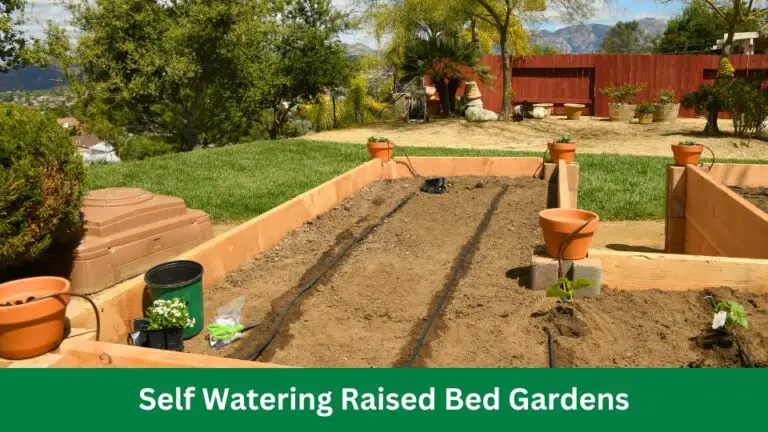
There’s a temptation to go big in the first season. Resist it. A well-tended 4×8 foot raised bed will outperform a sprawling, neglected plot every time. Starting small lets you focus your attention, learn what works in your specific conditions, and build confidence before scaling up.
Plant With Purpose
How you plant matters just as much as what you plant. Crowding plants together or burying seeds at the wrong depth are easy mistakes that have real consequences for growth.
Seeds vs. seedlings — which should you choose?
Some plants — like carrots, beans, and sunflowers — grow better when direct-sown into the ground because they dislike having their roots disturbed. Others, like tomatoes, peppers, and broccoli, benefit from being started indoors weeks before the last frost date and transplanted as seedlings. If you’re short on time or just starting out, buying transplants from a nursery is a perfectly sensible shortcut.
Spacing and planting depth
Always follow the spacing recommendations on seed packets or plant tags. Crowded plants compete for light, water, and nutrients, and they’re more vulnerable to disease because air can’t circulate properly between them. As a general rule, plant seeds at a depth of roughly two to three times their diameter. For transplants, dig a hole deep enough that the root ball sits just below the soil surface, then firm the soil gently around the base.
Water, Feed, and Mulch
Once your plants are in the ground, your three main ongoing jobs are watering, fertilizing, and mulching. Each one plays a distinct role in keeping your garden healthy.
Water deeply, not frequently
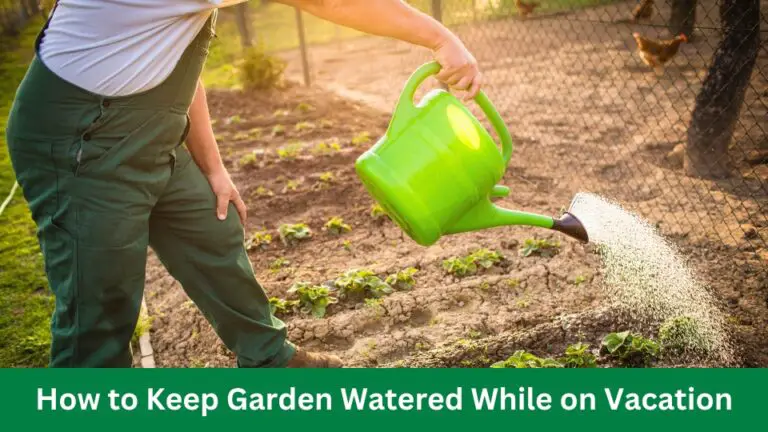
Shallow, frequent watering encourages roots to stay close to the surface, where they’re vulnerable to heat and drought. Deep, infrequent watering — typically one to two inches per week, depending on rainfall and temperature — encourages roots to grow downward into cooler, more stable soil. Water at the base of plants rather than overhead to reduce the risk of fungal disease, and aim to water in the morning so leaves dry out during the day.
Fertilize to replace what the soil loses
As plants grow, they draw nutrients out of the soil. A balanced, slow-release fertilizer applied at planting time gives them a steady supply of nitrogen, phosphorus, and potassium throughout the season. If you notice yellowing leaves or stunted growth mid-season, a liquid fertilizer can give plants a quicker boost.
Mulch to lock in moisture and block weeds
Spreading two to three inches of mulch — straw, shredded bark, or wood chips — around your plants does three things at once: it slows water evaporation from the soil, regulates soil temperature, and suppresses the weeds that would otherwise compete with your plants for resources.
Get Ahead of Weeds and Pests
A garden left unchecked for even a week or two can quickly become overrun. The key is staying consistent rather than reactive.
Pull weeds when they’re small, before they flower and set seed. Use a hand hoe or cultivator between rows to disturb the soil surface and uproot seedlings before they establish. For pests, inspect your plants regularly — check the undersides of leaves, where insects like to hide and lay eggs. Many common pests can be controlled by hand-picking, a strong spray of water, or introducing beneficial insects like ladybugs that prey on aphids and other common garden pests.
Grow as You Go
No garden is perfect in its first season. Some plants will struggle; others will surprise you. What separates gardeners who stick with it from those who give up is the willingness to treat every setback as information rather than failure.
Keep simple notes on what you planted, where, and how it performed. Record your first and last frost dates. Note which pests showed up and when. Over time, these observations become the most valuable resource you have — a personalized guide to your own patch of ground.
Start small, stay curious, and tend to the basics consistently. That’s what healthy gardens are made of.